

Modern dentistry is moving fast. New technology rolls out every year, patient expectations are higher than ever, and practices need teams who can adapt quickly.
That is why advanced training for permanent staff is no longer optional. To succeed, practices must rely on strong training systems, smart tools, and sometimes outside support from dental hiring agencies or even US dental temp agencies when new skills are required.
Today, the landscape of dental assistant jobs 2025 looks very different from just a few years ago.
Learning never stops, and the practices that prioritize training end up with happier patients and stronger staff retention.
Role of Dental Staffing Agencies in Facilitating Training
New tools and new techniques enter the industry every month. Many practices feel overwhelmed by the pace of change, especially when trying to train staff while managing busy schedules.
This is where dental hiring agencies become valuable. Agencies help connect practices with candidates who already have experience in advanced areas like CAD and CAM technology, data imaging, and digital workflows.
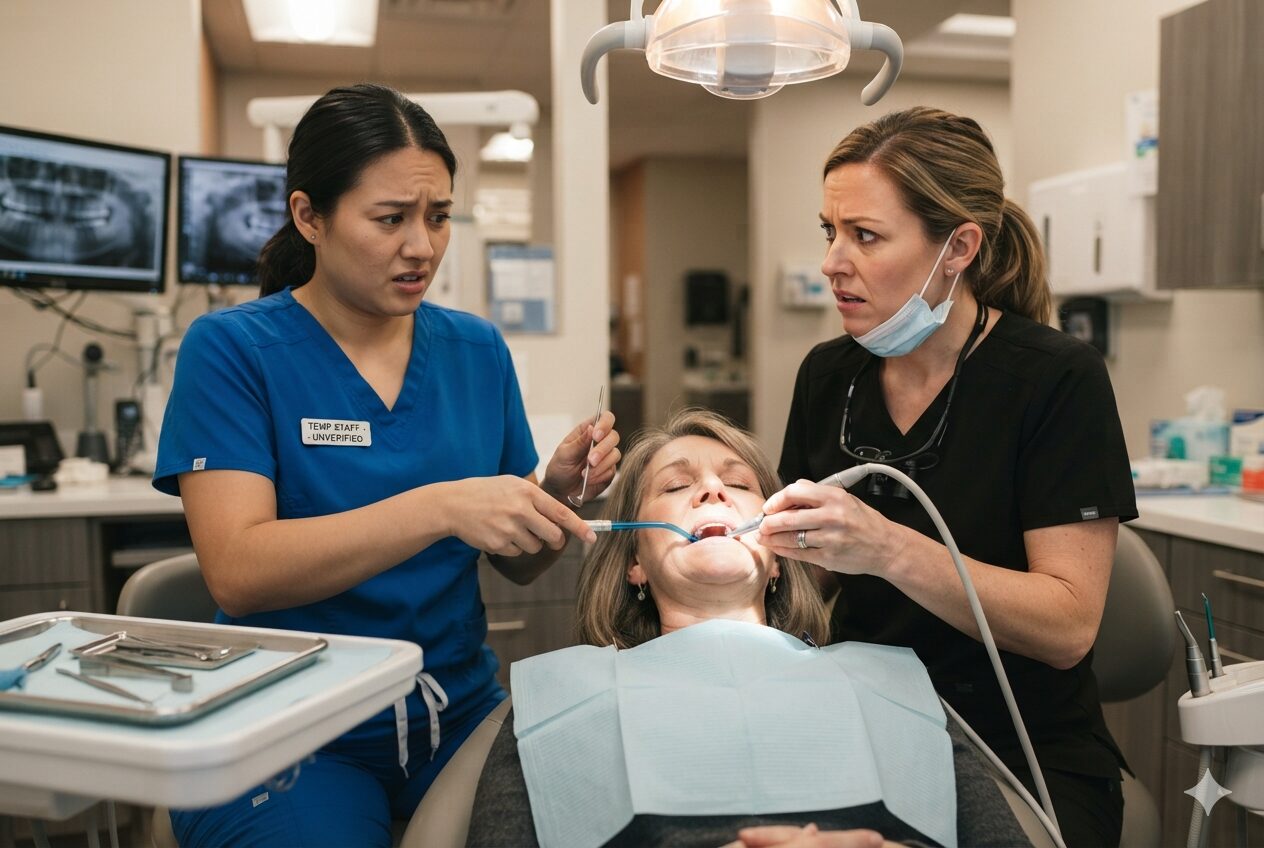
Some practices also partner with US dental temp agencies to bring in temp staff with specialized experience.
This allows permanent staff to learn from trained professionals and get hands-on exposure without sending the entire team to long external courses.
Why Advanced Training Matters More Than Ever
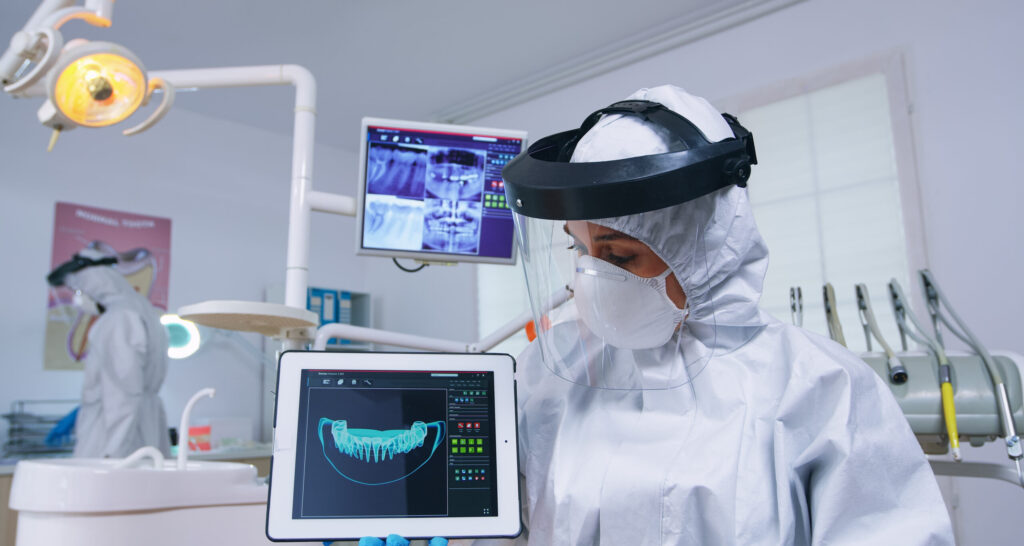
The dental world has changed dramatically. Teledentistry, AI diagnostics, and digital scanning have gone mainstream. Patients want faster treatment, less pain, and more modern solutions. To meet these expectations, permanent staff must be confident with new tools, tech, and workflows.
Trends affecting dental assistant jobs 2025 include
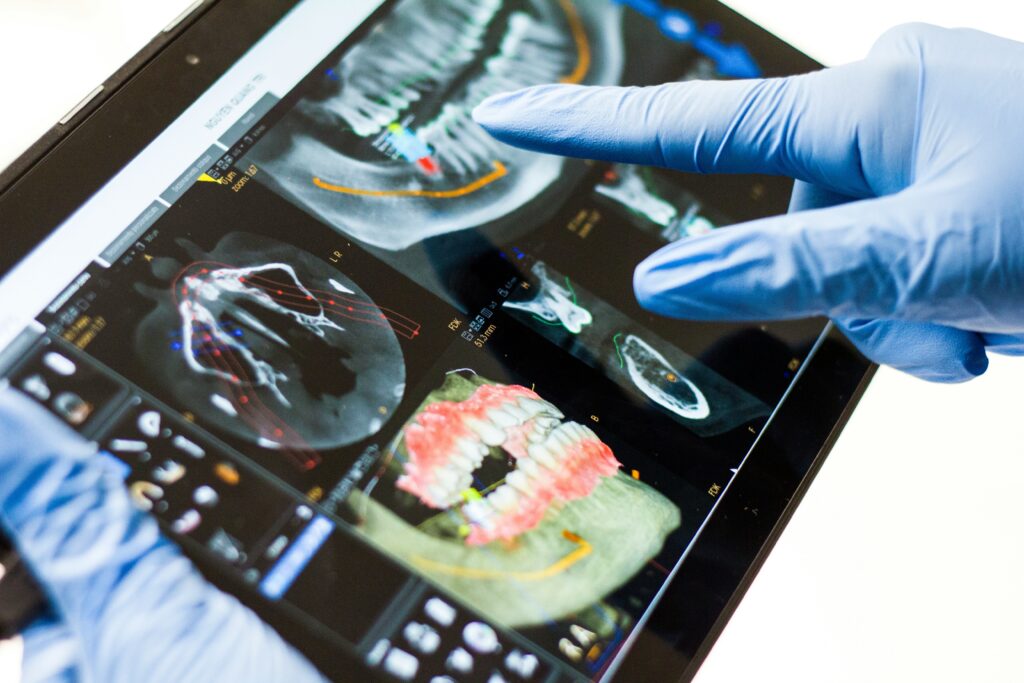
- expanded digital imaging
- virtual patient monitoring
- 3D printing support roles
Practices that prioritize training see higher patient satisfaction and stronger team loyalty because staff feel valued and supported.
The Evolving Landscape of Dental Care: What It Means for Training
Every year brings new advancements. In 2025 and 2026, the industry will focus heavily on VR training tools, simulation labs, and updated CE requirements. Staff must stay ahead of these shifts to remain competitive.
Offering ongoing education helps practices
- stay compliant with changing regulations
- reduce clinical errors
- build a knowledgeable and confident team
It also signals to employees that the practice cares about their professional growth, which improves retention.
Benefits of Investing in Advanced Training
When your permanent dental staff receives advanced training, everyone wins.
Patients immediately feel more confident when they know the team is skilled, updated, and comfortable using modern tools. Advanced training opens the door for your practice to expand services, improve the overall quality of care, and deliver treatments with greater accuracy and speed.
One of the biggest advantages is how well it prepares your team for newer technologies.
For example, AI-based performance tracking helps clinicians monitor treatment quality and improve efficiency with real-time insights, while digital workflow optimization allows the entire team to handle imaging, patient records, and scheduling more smoothly.
Updated sterilization and safety protocols also ensure your practice stays compliant and ready for inspections, which is especially important as regulations continue to evolve.
Strong, ongoing training often becomes a growth engine for dental practices.
When patients see that your office offers everything from preventive services to advanced digital procedures under one roof, they feel more comfortable staying long term.
This loyalty translates into better retention, higher referrals, and a stronger reputation in the community.
Challenges Dental Practices Face With Ongoing Education
Even though advanced training is essential, dental practices frequently struggle to implement it consistently. One of the primary challenges is time.
Most dental teams already operate on tightly packed schedules, leaving little room to attend workshops, hands-on sessions, or long certification programs.
On top of this, many specialized courses can be expensive, making it difficult for smaller practices to invest in training regularly.
Another issue is the fast pace of technological change. From digital orthodontics to AI-driven patient management tools, new systems and techniques are introduced every year.
Staying updated requires continuous learning, and not all practices have the bandwidth to keep up.
Dental hiring agencies help relieve some of these pressures by sourcing candidates who already possess the advanced skills a practice is looking for.
Instead of training someone from scratch, a clinic can quickly bring in professionals who are experienced in areas like 3D printing, digital scanning, or virtual treatment planning.
Some practices also work with US dental temp agencies to temporarily fill skill gaps while permanent team members pursue their training. This allows the clinic to remain fully operational without sacrificing the quality of care.
Another helpful solution is filtering applicants based on their learning habits.
Candidates who actively pursue continuing education, VR-based training, and specialty certifications are more likely to adapt quickly and stay up to date with industry advancements.
Customizing Dental Training Programs for Success
Every dental practice operates differently, and this means their training needs vary widely.
A small solo office may require more support in areas like patient communication, efficiency, or basic digital workflows, while a larger multi-chair clinic may need in-depth training in surgical techniques, endodontic systems, or orthodontic workflows.
This is why creating customized training programs is so important.
The process usually begins with a thorough evaluation of the team’s current performance and skill levels.
This can be done through simple surveys that allow staff to share their learning needs, one-on-one interviews to understand challenges and career goals, or direct workflow observations that highlight areas where efficiency can be improved.
These insights help identify specific skill gaps and set priorities for training.
Developing the Training Plan
Once the practice’s needs are clear, the next step is to build a structured training plan.
A strong plan outlines the key learning objectives, the timeline for completing each module, and the resources required, whether they are online courses, VR simulations, or hands-on workshops.
It also details the expected outcomes, helping both management and staff understand how the training will improve daily operations and patient care.
This thoughtful planning ensures the clinic uses its time and budget efficiently while making the learning process smooth and achievable.
Feedback for Continuous Improvement
Training does not end when the course or session is completed. Collecting feedback afterward is essential to understand whether the material was practical and effective. Staff input reveals whether the training helped close knowledge gaps or if additional support is needed.
Feedback also helps refine future training sessions, making each round more focused and valuable.
Over time, this continuous improvement process strengthens the team and supports long-term growth for the dental practice.
Leveraging Technology for Better Training
Technology is reshaping training just as much as it is reshaping dentistry. Practices now use online platforms, VR tools, simulation systems, and AI-driven coaching to support their teams.
Interactive Online Platforms
Online training makes learning flexible and accessible. Staff can complete modules anytime, which is ideal for busy schedules.
VR and Simulation-Based Training for 2025
New VR tools coming in 2025 provide realistic simulations of dental procedures. These tools allow staff to:
- practice surgical steps
- learn equipment handling
- experience clinical scenarios without risk
VR is fast becoming one of the most cost-effective ways to train permanent dental staff.
On-Demand Learning Resources
Digital libraries help staff quickly look up procedures or refresh skills. This supports just-in-time learning and ensures the team stays up to date.
AI-Based Performance Tracking
AI tools can evaluate how well staff apply skills in real scenarios. This allows management to see strengths and improvement areas and ensures training leads to real workflow changes.
CE Requirements for 2025 to 2026
Updated CE requirements emphasize
- infection control
- digital dentistry
- ethics
- emergency care
- opioid safety
Practices should encourage permanent staff to stay updated and document their CE credits throughout the year.
Dentistry is evolving at record speed. To keep up, practices must invest in advanced training that helps staff stay confident, knowledgeable, and patient focused. With VR training tools, AI evaluations, and modern CE requirements, there are more opportunities to train effectively than ever before.
Dental hiring agencies and US dental temp agencies can make this process easier by connecting practices with professionals who already possess key skills. These agencies also help support training strategies so permanent staff stay competitive and ready for the future of dental assistant jobs 2025.
To explore how dental staffing support can elevate your team, reach out to Mayday Dental Staffing today.