

Dental hygienists play a central role in modern dental care.
While many people associate their work with routine cleanings, the reality is far more dynamic.
Today, dental hygienist duties extend into advanced clinical care, patient education, and digital workflows that support faster and more accurate treatment.
With an expanded scope of practice across many states in 2024 and 2025, hygienists are now more involved in patient assessments, preventive strategies, and technology-driven care.
Their work supports dentists while helping patients maintain long-term oral health.
Core Responsibilities of Dental Hygienists
At the heart of dental hygienist duties is preventive care.
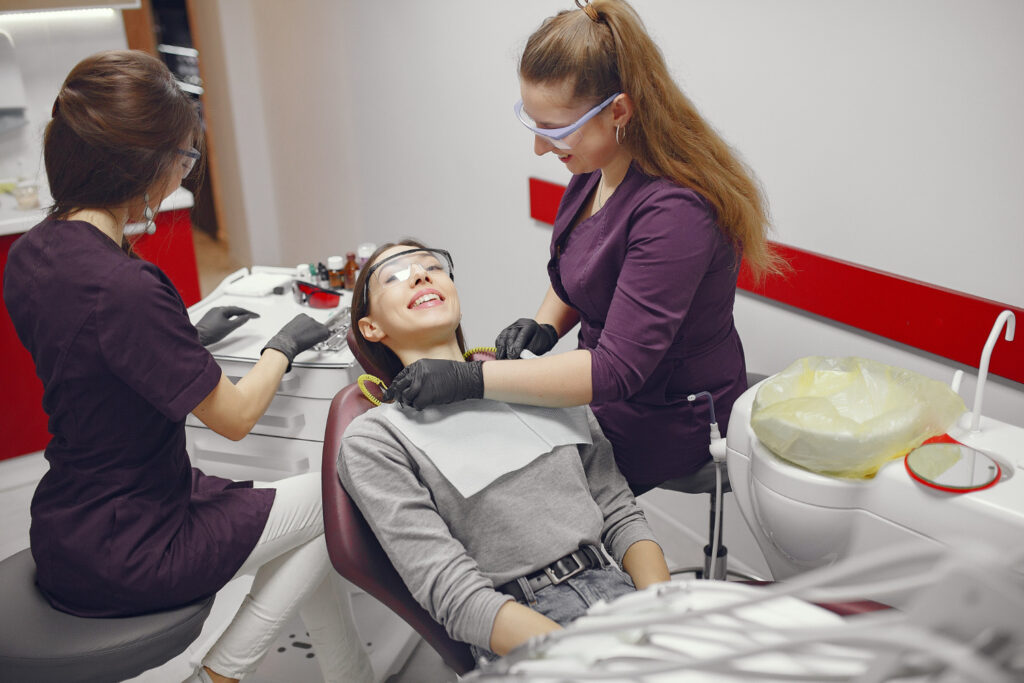
Hygienists perform professional cleanings using specialized tools to remove plaque, tartar, and surface stains.
These cleanings help reduce the risk of cavities, gum disease, and infection.
Equally important is patient education.
Dental hygienists teach proper brushing, flossing, and home care techniques in a way patients can actually follow.
By empowering patients with practical guidance, hygienists help prevent recurring dental issues and improve overall outcomes.
Expanded Scope of Practice (2024–2025)
Many states have expanded what hygienists are allowed to do, reflecting growing trust in their training and expertise.
While duties still vary by state, expanded responsibilities are becoming more common.
These changes allow dental hygienists to contribute more directly to patient care while improving access to services, especially in underserved areas.
Examples of Expanded Duties by State
Area of Care | Expanded Role |
Pain management | Administering local anesthesia |
Preventive care | Applying sealants and fluoride |
Periodontal care | Advanced scaling and maintenance |
Community care | Practice in schools and public clinics |
Clinical Assessments and Early Detection
Another key part of dental hygienist duties is assessing oral health.
Hygienists examine gums, teeth, and soft tissues for signs of inflammation, decay, or abnormalities.
Early detection allows dentists to intervene before issues become complex or costly.
Screenings for gum disease and oral cancer are especially important.
Hygienists are often the first to notice subtle changes that require follow-up care, making them essential to preventive dentistry efforts.
New Digital Dentistry Tasks
Technology is reshaping dentistry, and hygienists are right at the center of this shift.
Digital dentistry tools now support faster diagnosis, better patient records, and more efficient workflows.
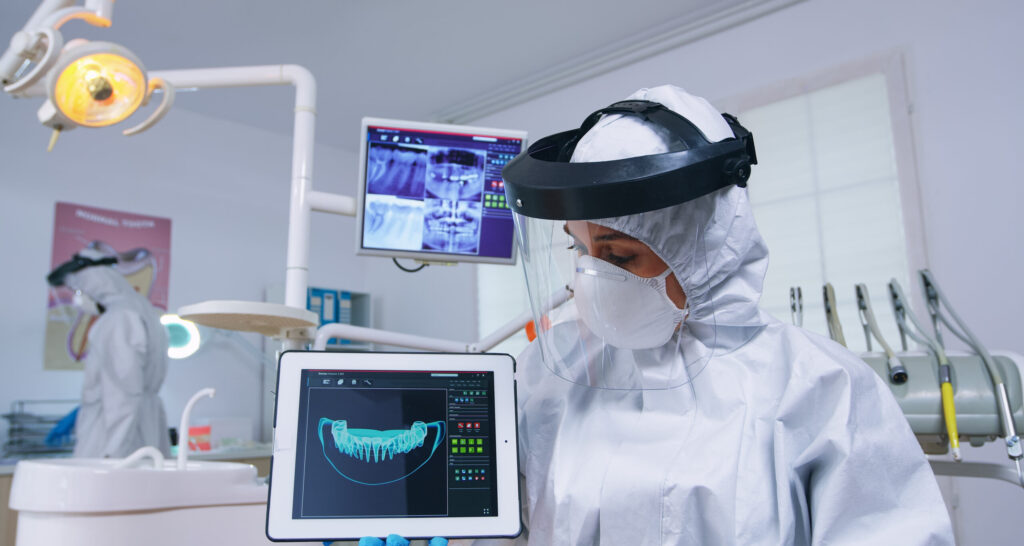
Dental hygienists increasingly work with digital X-rays, electronic charting systems, and intraoral scanners.
They also assist with documenting findings in cloud-based systems and supporting digital treatment planning.
As digital dentistry continues to evolve, hygienists who adapt quickly become even more valuable to dental practices.
Preventive Dentistry Beyond the Clinic
Preventive dentistry goes beyond the dental chair.
Hygienists often participate in outreach programs that bring oral health education to schools, community centers, and senior care facilities.
These programs focus on basic screenings, hygiene instruction, and awareness of early warning signs.
By reaching patients outside the clinic, hygienists help reduce long-term oral health disparities and encourage regular dental visits.
Updated 2025 Hourly Pay Snapshot
With expanded responsibilities and higher demand, compensation has also improved.
Rates vary by state, setting, and scope of practice, especially where expanded duties are permitted.
Experience Level | Average Hourly Pay (2025) |
Entry-level | $38 to $42 |
Mid-level | $45 to $50 |
Highly experienced | $52 to $60+ |
Why Dental Hygienists Matter More Than Ever
Dental hygienists are no longer limited to cleanings and chairside support.
Their role now includes education, technology, early detection, and community health.
By combining clinical skill with patient communication and digital tools, they strengthen every dental team.
As preventive dentistry and digital dentistry continue to grow, hygienists will remain essential to delivering high-quality, patient-centered care.
Dental hygienist duties have expanded significantly in recent years.
From preventive care and patient education to digital dentistry tasks and advanced clinical responsibilities, hygienists play a vital role in modern oral healthcare.
Their expertise helps prevent disease, improve patient experiences, and support the long-term success of dental practices.